
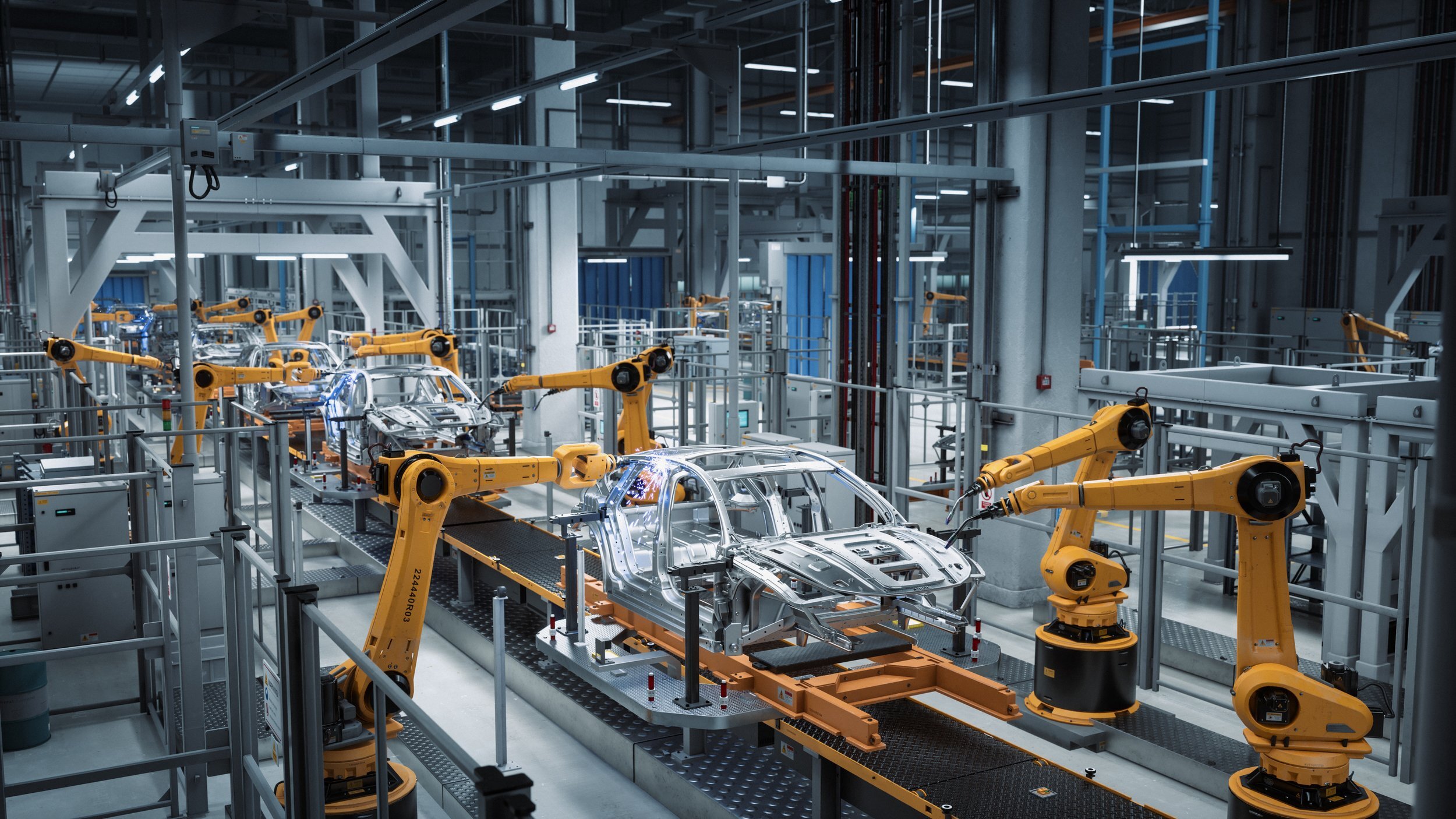
Energy management for UK manufacturers is no longer just about reducing utility bills. For many, energy has become a strategic cost, a margin risk and a competitiveness issue.
Manufacturing sites often rely on energy-intensive equipment, shift-based production, compressed air, HVAC, motors, refrigeration, process heat, pumps and other systems. When these assets are not monitored in real time, waste can go unnoticed for days or weeks. By the time the monthly bill arrives, the cost has already been incurred.
In 2026, manufacturers need more than retrospective bill reviews. They need live energy visibility, intelligent alerts and practical control over the systems driving consumption.
Why Energy Costs Are a Strategic Risk for Manufacturers
Energy costs have moved from a line item to a strategic threat. Make UK’s survey makes it clear: manufacturers are delaying capital investment, pausing expansion plans, and in some cases reconsidering their UK footprint altogether. When energy spend becomes unpredictable or unsustainable, it directly impacts competitiveness.
The challenge is that most manufacturers still operate with limited visibility. Monthly invoices arrive weeks after the fact. Consumption spikes go unnoticed until the bill lands. Equipment faults waste energy for days or weeks before someone spots the anomaly. Without real-time data and intelligent analysis, you’re managing costs in the rear-view mirror.
Common Sources of Energy Waste in Manufacturing Sites
Common sources of energy waste in manufacturing environments often include:
- Compressed air leaks
- Motors, pumps or conveyors running outside production hours
- HVAC systems operating when areas are unoccupied
- Process equipment left running during downtime
- Poorly scheduled production loads
- Refrigeration or cooling systems cycling inefficiently
- Lighting zones active when not required
- Heat loss from poorly controlled processes
- Peak demand spikes caused by avoidable scheduling patterns
- Weekend or overnight baseload consumption that goes unnoticed
For many manufacturers, these issues are not visible on a monthly electricity bill. They only become clear when energy consumption is monitored in real time and connected to operational activity.
What Modern Energy Management for Manufacturers Looks Like
The shift from reactive bill-paying to proactive energy management requires three elements: visibility, intelligence, and control.
Visibility means knowing what you’re consuming, when, and where — across all sites, in half-hourly intervals. Our Helios™ platform ingests data from existing smart meters and additional sensors, giving manufacturers a complete picture of their energy profile without requiring expensive infrastructure overhauls.
Intelligence means AI-powered analysis that identifies waste, detects faults, and flags opportunities automatically. Helios AI monitors consumption patterns 24/7, sending automated alerts via text or email when anomalies are detected — a machine left running overnight, inefficient scheduling, or equipment operating outside normal parameters. These are the savings hidden in your data that manual analysis simply cannot find at scale.
Control means acting on those insights immediately, without requiring specialist expertise. Our customers receive actionable recommendations delivered directly to site managers: adjust schedules, investigate faults, shift demand away from peak periods. Savings start from day one, with zero effort required from your team.
How AI Energy Monitoring Helps Manufacturers Find Savings
AI energy monitoring helps manufacturers identify patterns that are difficult to spot manually. Instead of relying on teams to review spreadsheets, bills or dashboards, AI can continuously monitor consumption and flag unusual behaviour.
This can include:
- A machine or production line running outside normal hours
- A sudden increase in baseload consumption
- Repeated demand spikes during expensive periods
- HVAC or compressed air systems behaving inefficiently
- A site using more energy than comparable locations
- Equipment faults that increase consumption before they become obvious operational problems
- Avoidable consumption during weekends, shutdowns or low-output periods
For manufacturers with multiple sites, the value increases further because anomalies can be detected and prioritised across locations.
What Energy Data Should Manufacturers Monitor?
To manage energy effectively, manufacturers need visibility across both site-level and asset-level consumption.
Useful data points include:
- Half-hourly electricity consumption
- Real-time site demand
- Peak demand and maximum demand
- Production shift patterns
- Equipment run times
- Out-of-hours consumption
- Compressed air, HVAC, refrigeration and process loads
- Energy use by line, department or building zone
- Consumption per unit of output
- Tariff periods and non-commodity cost exposure
- Carbon and sustainability reporting data
The most valuable insight often comes from connecting energy data to operational routine. For example, a spike in demand may not be a problem if it aligns with production output, but it may reveal waste if it happens during downtime or outside operating hours.
How Energy Visibility Creates a Competitive Advantage in Manufacturing
The manufacturers who will thrive through this cost crisis are those who treat energy as a controllable variable, not a fixed overhead. Organisations with real-time visibility can respond to price signals, optimise production schedules around tariff structures, and benchmark performance across sites. They can demonstrate sustainability credentials to customers and investors with credible carbon reporting. And critically, they can protect margins while competitors are forced to pass costs downstream or cut investment.
Across suitable sites, Heliotec typically identifies savings opportunities linked to avoidable waste, inefficient scheduling, abnormal consumption and operational blind spots.
The Three Elements of Manufacturing Energy Management
Modern manufacturing energy management depends on three elements: visibility, intelligence and control.
Visibility means understanding how much energy each site, production line, asset or system is using. This gives teams a live view of consumption instead of relying only on retrospective bills.
Intelligence means using analytics and AI to identify anomalies, waste and improvement opportunities. This could include detecting equipment running overnight, inefficient production scheduling, unusual baseload consumption or unexpected demand spikes.
Control means turning those insights into action. Site managers, operations teams and finance leaders need clear recommendations that show what to change, why it matters and what financial impact it could have.
The value is not just in collecting more data. It is in making energy performance visible enough for teams to act quickly.
How Manufacturers Can Start Reducing Energy Waste
If your organisation is spending £75,000+ annually on energy, the case for active management is straightforward. Our managed service model requires zero customer capital expenditure — we install sensors, deploy Helios AI, and deliver savings from day one on an OpEx basis. For multi-site operators, the impact scales quickly: one platform, full visibility, consistent optimisation across every facility.
The tipping point Make UK describes is real. But it’s also a moment of clarity: energy management is no longer optional. The manufacturers who recognise that today will be the ones still competing — and winning — tomorrow.
Business Benefits of Better Manufacturing Energy Management
Better energy management can help manufacturers:
- Reduce avoidable energy waste
- Improve margin protection
- Identify equipment faults earlier
- Reduce out-of-hours consumption
- Lower peak demand exposure
- Improve production scheduling
- Strengthen sustainability reporting
- Build a data-led case for solar, battery storage or other low-carbon technology
- Compare performance across sites, lines or departments
- Improve resilience against future energy cost increases
FAQs
What is energy management for manufacturers?
Energy management for manufacturers is the process of monitoring, analysing and reducing energy use across production sites, equipment, processes and buildings. It helps manufacturers control costs, reduce waste, improve operational efficiency and support sustainability goals.
Why is energy visibility important in manufacturing?
Energy visibility is important because many sources of waste are hidden inside day-to-day operations. Without real-time data, manufacturers may not see equipment running outside production hours, inefficient compressed air systems, avoidable peak demand or abnormal consumption until the bill arrives.
What are the biggest sources of energy waste in manufacturing?
Common sources of energy waste include compressed air leaks, motors running when not needed, inefficient HVAC or cooling, poorly scheduled production loads, process equipment left on during downtime and high baseload consumption outside operating hours.
How can manufacturers reduce energy costs?
Manufacturers can reduce energy costs by monitoring consumption in real time, identifying avoidable waste, improving equipment scheduling, reducing peak demand, fixing faults quickly and using data to prioritise operational changes or investment in low-carbon technology.
How does AI energy monitoring help manufacturing sites?
AI energy monitoring can detect unusual consumption patterns, identify faults, flag waste and recommend actions automatically. This helps manufacturing teams move from reactive bill-checking to proactive energy control.
Does better energy management require upfront CapEx?
Not always. Some models, including Heliotec’s managed service approach, are designed to support energy optimisation without upfront customer capital expenditure.